Balita
Napakahusay na produkto na may katangi-tanging pagkakayari.

 sales@wxdoka.com
 +86-13861753508
 No.18 Xiangge Road, Hudai Town, Binhu District, Wuxi, China


Ang Caterpillar HEUI —Hydraulically actuated Electronically controlled Unit Injector—ang sistema ay kumakatawan sa isa sa pinakamahalagang pag-unlad sa heavy-duty na diesel fuel injection na teknolohiya noong 1990s at 2000s. Hindi tulad ng mga kumbensyonal na mechanical injection system na umaasa sa high-pressure fuel pump para makabuo ng injection pressure, ang HEUI system ay gumagamit ng high-pressure engine oil bilang hydraulic medium para paandarin ang mga injector, na may elektronikong kontrol na namamahala sa oras ng pag-injection, tagal, at pressure sa isang cylinder-by-cylinder na batayan. Ang arkitektura na ito ay nagbigay-daan sa mga inhinyero ng Caterpillar na makamit ang mga pressure sa pag-iniksyon na lampas sa 28,000 psi—higit pa sa maaaring gawin ng mga conventional cam-driven pump system noong panahon—na nagbibigay-daan sa mas pinong fuel atomization, mas kumpletong combustion, mas mababang particulate emissions, at pinahusay na fuel economy sa malawak na hanay ng mga kondisyon ng operating.
Ang HEUI concept was co-developed by Caterpillar and Navistar International, with both companies independently applying the technology to their own engine families during the 1990s. Caterpillar's implementation became the foundation of their highly regarded 3126, C7, and C9 engine series, as well as selected versions of the 3406E and C-10 and C-12 platforms. These engines powered an enormous range of applications including on-highway trucks, school and transit buses, construction equipment, marine propulsion systems, and stationary power generation units, making the HEUI system one of the most widely deployed advanced injection technologies in the commercial diesel market.
Ang pag-unawa sa prinsipyo ng pagpapatakbo ng HEUI system ay mahalaga para sa sinumang nagpapanatili, nag-diagnose, o muling nagtatayo ng mga makinang ito. Ang sistema ay pangunahing umaalis mula sa parehong tradisyonal na mekanikal na pinamamahalaan na iniksyon at mga disenyo ng common-rail kung paano ito bumubuo ng presyur na kailangan upang puwersahin ang gasolina sa silid ng pagkasunog.
Ang HEUI system uses a dedicated high-pressure oil pump—driven directly off the engine—to pressurise engine lubricating oil to between 500 and 3,000 psi within a high-pressure oil manifold, often referred to as the "rail" even though it carries oil rather than fuel. This pressurised oil is routed to each unit injector through dedicated oil passages in the cylinder head. Inside each injector, the high-pressure oil acts on a hydraulic amplifier piston that multiplies the oil pressure by a ratio of approximately 7:1 to generate the actual fuel injection pressure at the injector tip—which can reach 23,000 to 28,000 psi in operational conditions. The oil actuation pressure is continuously variable and is controlled by the engine ECM through an Injection Actuation Pressure Control Valve (IAPCV), allowing the system to modulate injection pressure dynamically in response to load, speed, and emissions requirements.
Ang bawat HEUI injector ay naglalaman ng solenoid-operated control valve na pinapagana ng ECM ng engine upang simulan at wakasan ang kaganapan ng pag-iniksyon. Kapag ang ECM ay nagpapadala ng kasalukuyang pulso sa injector solenoid, ang control valve ay bubukas, na nagpapahintulot sa mataas na presyon ng langis na pumasok sa hydraulic amplifier chamber. Bumaba ang amplifier piston, pinipindot ang gasolina sa injector barrel sa pressure ng injection, na pinipilit ang balbula ng karayom mula sa upuan nito at naghahatid ng tumpak na sinukat na singil ng gasolina sa silid ng pagkasunog. Kapag tinapos ng ECM ang solenoid current, ang control valve ay nagsasara, ang presyon ng langis ay bumagsak, ang karayom ay bumalik sa kanyang upuan, at ang iniksyon ay nagtatapos. Ang tagal ng kasalukuyang pulso ay direktang kumokontrol sa dami ng iniksyon na gasolina, habang ang timing ng pulso sa loob ng ikot ng makina ay kumokontrol sa timing ng iniksyon. Ang ganap na elektronikong kontrol na ito ay nagbibigay-daan sa pilot injection, split injection, at iba pang advanced na diskarte sa pag-iniksyon na kritikal para matugunan ang mga pamantayan ng emisyon at pag-optimize ng kalidad ng pagkasunog.
Ang HEUI injection system was deployed across a substantial range of Caterpillar engine families spanning nearly two decades of production. Technicians and fleet operators working with these engines should be familiar with which specific configurations use HEUI injection, as diagnosis and repair procedures differ significantly from common-rail and mechanical injection engines.
| Modelo ng Engine | Pag-alis | Pangunahing Aplikasyon | Mga Taon ng Produksyon |
| Caterpillar 3126 | 7.2L inline-6 | Mga katamtamang trak, bus, RV | 1997–2003 |
| Uod C7 | 7.2L inline-6 | Mga medium truck, school bus, construction | 2003–2009 |
| Uod C9 | 8.8L inline-6 | Mga mabibigat na trak, transit bus, marine | 2004–2010 |
| Uod 3406E | 14.6L inline-6 | Class 8 na mga trak, pang-industriya | 1993–1999 |
| Uod C-10 / C-12 | 10.3L / 11.9L inline-6 | Class 8 on-highway na mga trak | 1996–2004 |
Ang 3126 and its successor, the C7, are the most numerically common HEUI-equipped engines encountered in service, particularly in school bus, transit bus, and medium-duty truck fleets. The C9 represents a heavier-duty application of the same core technology, while the larger 3406E, C-10, and C-12 engines applied HEUI principles to Class 8 on-highway applications where high injection pressure was essential for meeting the progressively tightening emissions standards of the late 1990s and early 2000s.
Ang HEUI system's dependence on engine oil condition and pressure introduces failure modes that are not present in fuel-pressure-only injection systems. Many of the most common and costly HEUI failures are directly traceable to oil maintenance practices and the condition of the high-pressure oil circuit components. Understanding these failure patterns allows technicians to diagnose problems more efficiently and helps fleet operators implement preventive maintenance practices that extend system service life.
Ang high-pressure oil pump is the most mechanically stressed component in the HEUI system and is a common failure point, particularly on high-mileage engines or those that have experienced oil degradation or neglected oil change intervals. The pump uses a series of precision-machined pistons and valves to generate the high oil pressures required for injector actuation, and these components are extremely sensitive to oil contamination, viscosity breakdown, and extended drain intervals. A worn or failing high-pressure oil pump manifests as low actuation pressure, which the ECM attempts to compensate for by demanding higher IAPCV duty cycles—a condition visible through diagnostic software such as Caterpillar ET (Electronic Technician). Symptoms include hard starting, especially when cold, rough running, misfires under load, and in severe cases complete engine shutdown as actuation pressure falls below the minimum threshold required to open the injector control valves.
Ang mga indibiduwal na HEUI injector failure ay karaniwan sa mga high-mileage na makina at kadalasang nagpapakita bilang mga misfire na partikular sa cylinder, rough idle, o sobrang usok mula sa isa o higit pang mga cylinder. Ang injector solenoid winding ay maaaring magkaroon ng open-circuit o short-circuit na mga pagkabigo na pumipigil sa injector na kumilos nang tama. Ang mga panloob na O-ring at mga seal sa loob ng katawan ng injector—na dapat makatiis ng paulit-ulit na mga siklo ng presyon sa pagitan ng malapit sa zero at 28,000 psi—sa kalaunan ay nakakapagod at tumutulo, na nagiging sanhi ng panloob na cross-contamination sa pagitan ng oil actuation circuit at ng fuel circuit. Ang kontaminasyon ng langis sa sistema ng gasolina mula sa pagkabigo ng injector seal ay isang partikular na malubhang kahihinatnan, dahil maaari itong makapinsala sa fuel transfer pump at magpasok ng langis sa silid ng pagkasunog sa mga dami na nagdudulot ng nakikitang asul na usok at catalytic converter o diesel particulate filter na pinsala sa mga makina ng pagtukoy sa huli.
Ang IAPCV is an electrically controlled pressure-regulating valve that modulates the oil pressure supplied to the injectors in response to ECM commands. Contamination of the valve seat or spool by oil degradation products, metal particles from a worn pump, or sludge from infrequent oil changes can cause the valve to stick, leak internally, or respond sluggishly to ECM commands. A faulty IAPCV typically produces erratic actuation pressure readings, hunting or surging at idle, and inconsistent power delivery under varying load conditions. Because the IAPCV is a relatively affordable component compared to the injectors or the high-pressure oil pump, it is often the first replacement part specified during HEUI system diagnosis when actuation pressure anomalies are detected.
Ang air entrainment sa high-pressure oil circuit—sanhi ng mababang antas ng langis, isang tumutulo na oil pump inlet screen, isang basag na high-pressure oil manifold, o panlabas na oil cooler leaks—ay isa sa mga mas mahirap na problema sa HEUI na masuri dahil ang aerated oil ay hindi maaaring magpadala ng hydraulic pressure nang tuluy-tuloy. Ang resulta ay hindi mahuhulaan na pag-uugali sa pag-iniksyon, maliwanag na mga misfire na gumagalaw sa pagitan ng mga cylinder, at mga pagbabasa ng presyon ng actuation na pabagu-bago sa halip na magkaroon ng steady na halaga. Ang pag-diagnose ng oil aeration ay nangangailangan ng maingat na inspeksyon ng high-pressure oil circuit para sa mga air entry point at dapat palaging may kasamang pagsusuri sa antas at kundisyon ng langis ng engine, dahil ang parehong overfill at underfill na kondisyon ay maaaring magsulong ng aeration sa HEUI oil circuit.
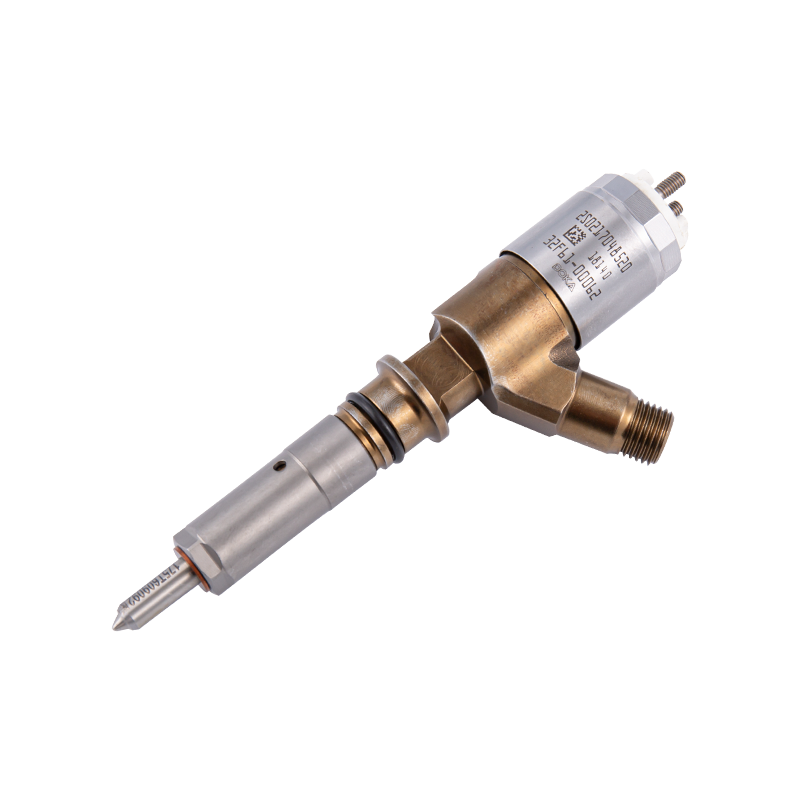
Ang epektibong HEUI system diagnosis ay nangangailangan ng parehong tamang diagnostic tool at isang sistematikong diskarte na naghihiwalay sa mga problema sa circuit ng langis mula sa mga problema sa circuit ng gasolina at mga isyu sa electronic control bago palitan ang anumang mga bahagi. Ang sumusunod na diagnostic sequence ay nagpapakita ng pinakamahusay na kasanayan para sa HEUI-equipped Caterpillar engine:
Ang HEUI system's sensitivity to oil condition makes engine oil maintenance the single most impactful preventive measure available to operators of HEUI-equipped Caterpillar engines. Many of the most costly HEUI failures encountered in the field—worn high-pressure oil pumps, stuck IAPCVs, and internally contaminated injectors—can be directly attributed to extended oil change intervals, use of incorrect oil specifications, or failure to address oil leaks and consumption promptly.
Ang mga pangunahing rekomendasyon sa pag-iwas sa pagpapanatili para sa mga makinang may gamit sa HEUI ay kinabibilangan ng:
Ang Caterpillar HEUI system occupies a significant position in the history of diesel engine development as a transitional technology that bridged the gap between mechanically governed injection and the fully hydraulic common-rail systems that dominate modern heavy-duty diesel engines. By demonstrating that electronically controlled variable-pressure injection was achievable and commercially viable in production engines, the HEUI platform helped establish the performance and emissions standards that common-rail injection systems subsequently built upon and exceeded.
Sa kabila ng pag-alis ni Caterpillar mula sa North American on-highway truck engine market noong 2010—dahil sa pagtaas ng gastos sa pagtugon sa mga pamantayan sa paglabas ng US EPA 2010 na may mga after-treatment system—milyong-milyong HEUI-equipped 3126, C7, C9, at large-bore engine ang nananatiling nasa buong mundo, aktibong serbisyo ng marine, mga trak sa mga trak. Para sa mga technician, fleet manager, at owner-operator na nagpapanatili ng mga engine na ito, ang masusing pag-unawa sa mga prinsipyo ng pagpapatakbo ng HEUI system, mga karaniwang failure mode, at tamang diagnostic at mga kasanayan sa pagpapanatili ay mahalagang kaalaman na direktang nakakaapekto sa pagiging maaasahan ng kagamitan, gastos sa pagpapatakbo, at pagpapahaba ng buhay ng serbisyo.
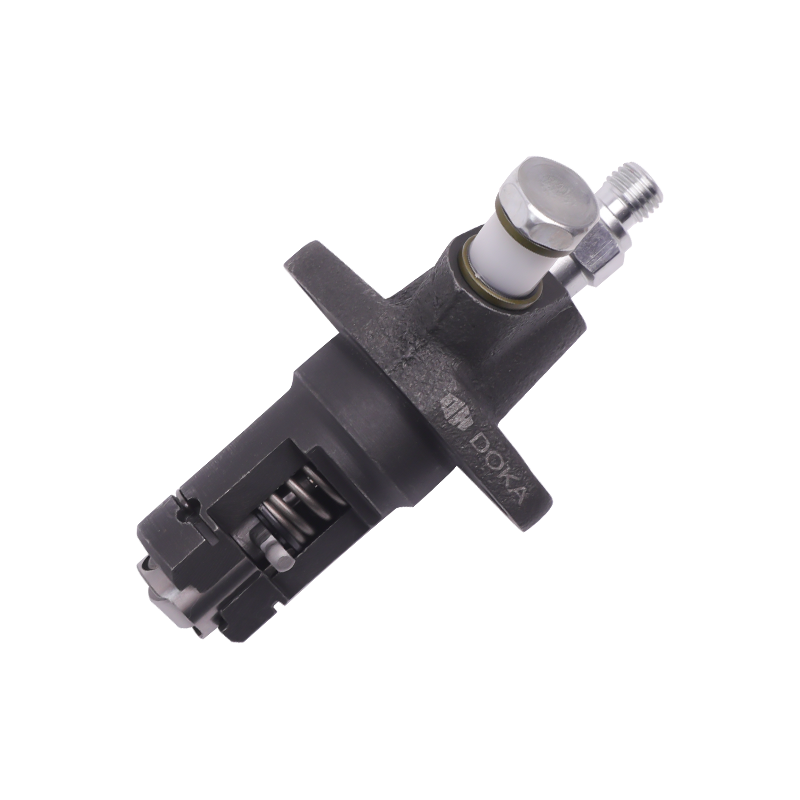
Ang Yanmar Series 168F Fuel Injection Pump ay isang mechanical plunger type n...
See Details
Tugma sa Caterpillar HEUI series fuel injector na CAT C6-212-3460, na angkop ...
See Details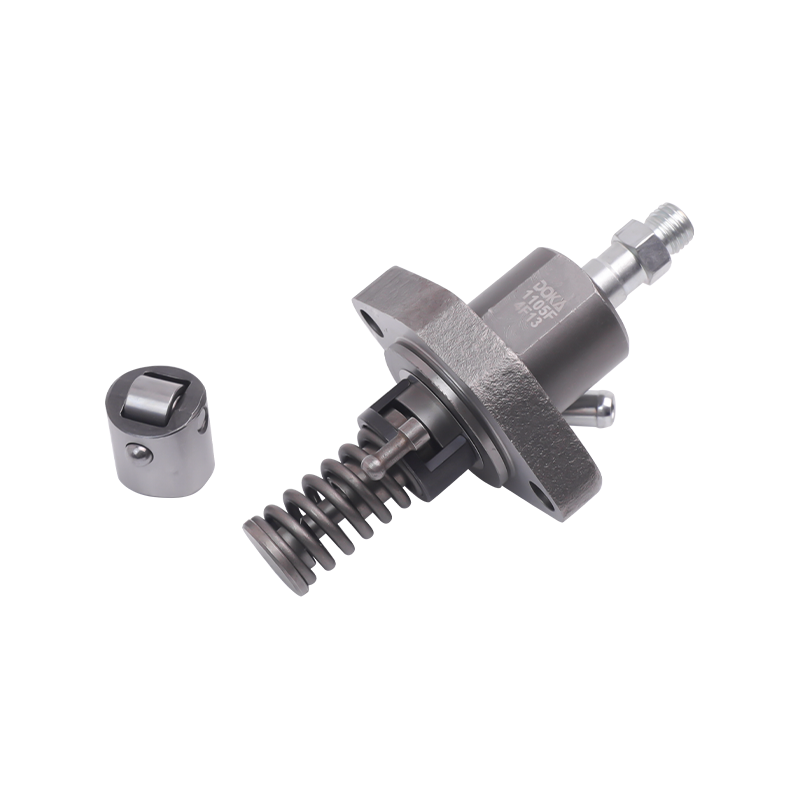
Ang 1115F fuel injection pump ay partikular na idinisenyo para sa 1115 single...
See Details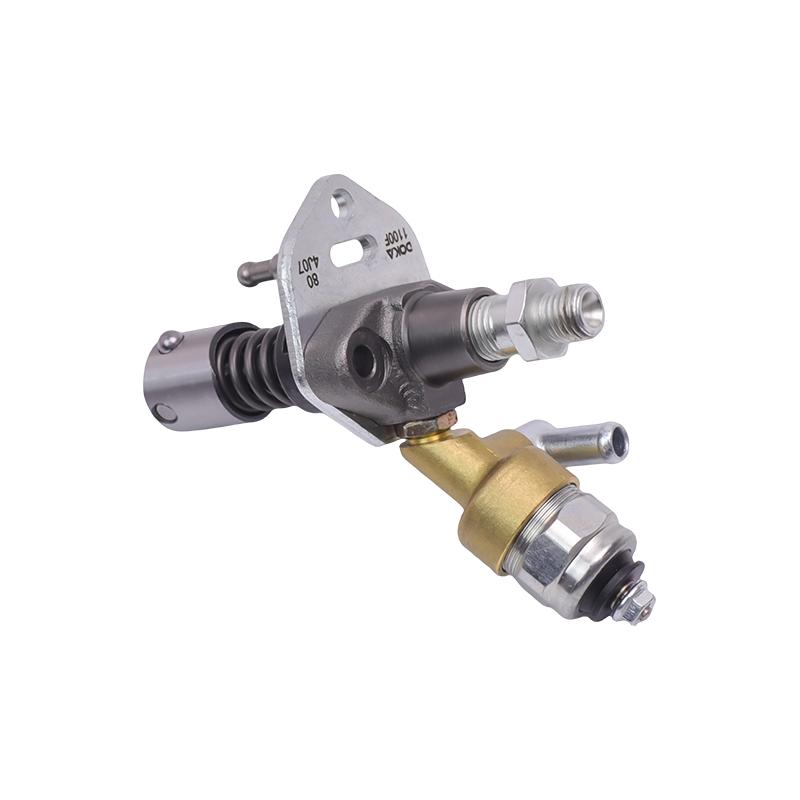
Ang 1100F solenoid-valve-type Fuel Injection Pump ay inengineered para sa Yan...
See Details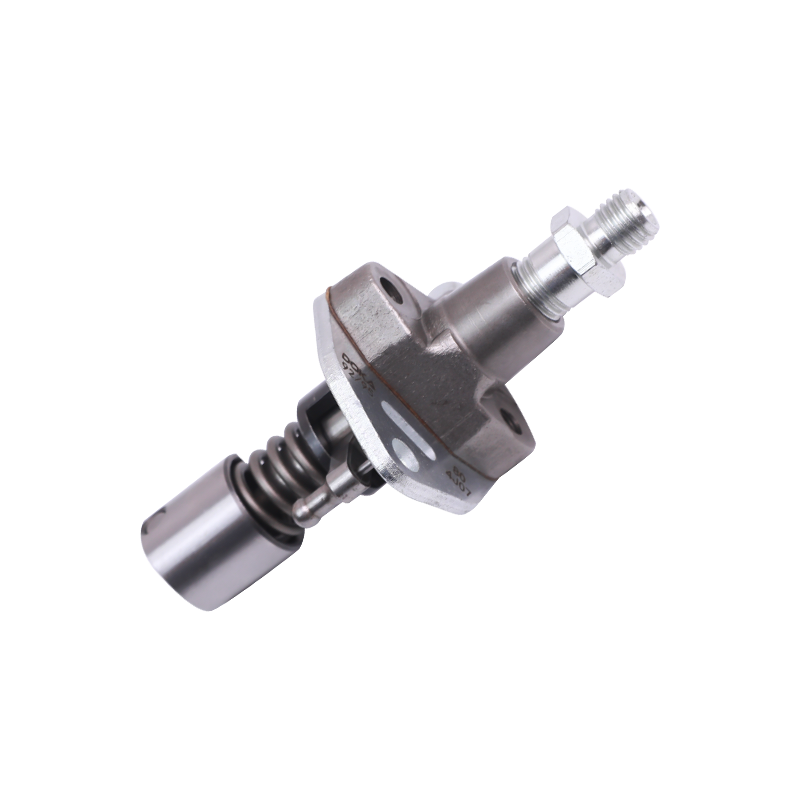
Ang 192F roller-type na Fuel Injection Pump ay idinisenyo para sa Yanmar-seri...
See Details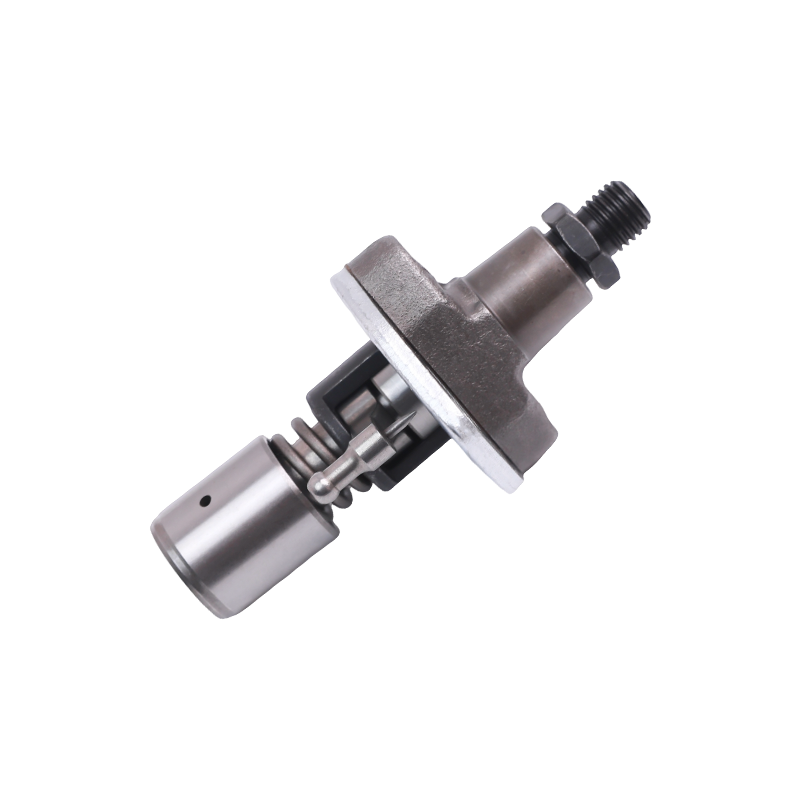
Ang 192F Fuel Injection Pump ay inengineered para sa Yanmar-series KD192F at ...
See Details